
Property Insurance Umpire, Appraisal and Expert Witness Services in Louisiana
Louisiana pairs the highest hurricane exposure in the country with substantial NFIP and Write Your Own flood activity. Expert witness retention, appraisal and umpire service, and ADR support. Every engagement is led by a senior Executive General Adjuster.
The firm also deploys catastrophe, large loss and NFIP flood adjusters to Louisiana for carrier, TPA and adjusting firm surge capacity, and is available in every other state as well. See nationwide coverage and adjuster staffing.
What drives Louisiana property disputes
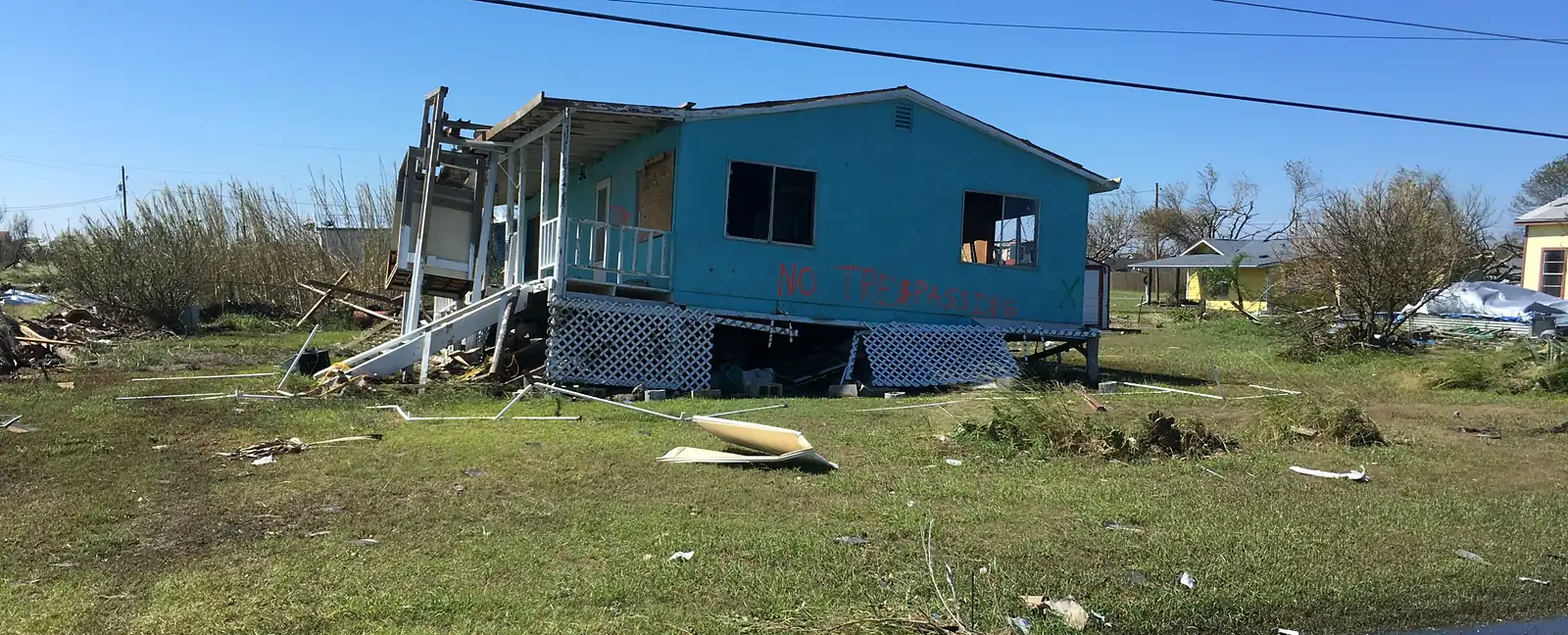
Typical loss types. Hurricane and storm surge, wind and wind driven rain, riverine and coastal flood, and repetitive loss properties.
Louisiana disputes frequently require separating wind damage from flood damage on the same structure, which is a causation and allocation problem before it is a valuation problem. NFIP claims add proof of loss requirements and adjustment standards that differ materially from standard property practice. The firm's lead adjuster is NFIP certified at all four authority levels and adjusts under a Texas designated home state license with nonresident licensure in reciprocal states such as Louisiana.
Where a damaged facility also draws FEMA Public Assistance, Stafford Act Section 312 governs the offset between the grant and the insurance recovery. The firm works both systems.
Roles the firm accepts in Louisiana
- Testifying expert. Written reports meeting the applicable disclosure rules, deposition, and trial testimony on scope, causation, valuation, estimating methodology, and claims handling and bad faith standards.
- Consulting expert. Non testifying analysis, early case assessment, estimate reconstruction, and support for examination of the opposing expert.
- Party-appointed appraiser. Competent and independent appraiser under the policy appraisal clause, separately stating actual cash value, replacement cost, and the amount of loss.
- Neutral umpire. By agreement of the appraisers or by court appointment, with disclosure of anything bearing on impartiality made up front.
- Mediation and arbitration support. Loss facts and scope gaps translated into a clear technical position and a damages narrative for the proceeding.
How to retain the firm
Send the caption, the parties, counsel of record, the carrier, the role you are seeking to fill, and the deadline schedule including expert disclosure and discovery cutoffs. Most conflict checks clear within two business days, before any substantive discussion of the matter. A curriculum vitae, fee schedule, and testimony list follow on request.
Availability is subject to conflict clearance and to any licensure, registration, or appointment requirement of the jurisdiction and the policy at issue. The firm accepts one role per matter.
The panel, and the line it cannot cross
Appraisal is a valuation mechanism. It binds as to the amount of loss, and it stops short of coverage. Knowing where that line sits is most of the work.
The firm accepts one role per matter. A party-appointed appraiser in a dispute cannot also be the retained testifying expert in it. Full explanation of the appraisal clause
Why counsel retains this firm
A curriculum vitae, fee schedule, and testimony list are furnished on request.
- Executive General AdjusterThe senior adjusting designation, signifying authority over the largest and most complex property losses.
- More than 25 years in catastrophe and large loss claimsField, large loss, and supervisory experience across national property and casualty carriers and in independent practice, with multi-line supervisory and catastrophe special-claims authority.
- Documented large loss recordGulf Coast high-rise condominium assessments, the largest with approximately $85 million in estimated damage, drawn from thousands of claims handled.
- NFIP certified at all four authority levelsRCBAP, commercial, homeowners, and mobile home.
- Independent opinionsExpert witness, party-appointed appraiser and neutral umpire engagements, each accepted after a conflict check. Opinions follow the facts and the policy language.
Retaining the firm in Louisiana
What kinds of Louisiana property disputes does the firm take?
First-party commercial and residential property matters, most often involving hurricane, wind versus flood causation, and NFIP flood disputes. The questions are usually scope of repair, whether damage is storm created or the result of age and wear, valuation and depreciation methodology, code and ordinance requirements, and claims handling standards.
Can the firm serve as a neutral umpire in Louisiana?
Yes, by agreement of the two party-appointed appraisers or by court appointment. Anything bearing on impartiality is disclosed up front, before appointment. The firm also serves as a party-appointed appraiser where it has not been engaged as a neutral in the same matter.
How is a conflict check handled?
Every engagement starts with a conflict check against the parties, counsel of record and the carrier. Most checks clear within two business days. Opinions follow the facts and the policy language.
Is the firm licensed in Louisiana?
Adjuster licensure runs through a Texas designated home state license, with nonresident Louisiana licensure held or obtained as an engagement requires, and the firm’s lead flood adjuster is NFIP certified at all four authority levels. Engagement is always subject to conflict clearance and to the requirements of the jurisdiction and the policy at issue. See coverage by state.
How long does a conflict check take?
Within two business days. Send the caption, the parties, counsel of record, the carrier, the role you are seeking to fill, and the deadline schedule. The conflict check runs before any substantive discussion of the matter, and a curriculum vitae, fee schedule and testimony list follow on request.
Retain the firm in Louisiana.
Send the caption, the parties, counsel of record, and the carrier. Conflict checks usually clear within two business days, and the CV and fee schedule follow immediately.