
OKLA RISK ADVISORS 913-717-9128Request service

Disaster Recovery and Claims Support in All Ten FEMA Regions

Okla Risk Advisors serves tribal nations, local governments, insurers, adjusting firms and counsel in every FEMA region, all 50 states. Field work is available where the loss is, and planning, review and expert work are delivered on site or remotely.

All 50 statesAll ten FEMA regionsTribal, state and local clients
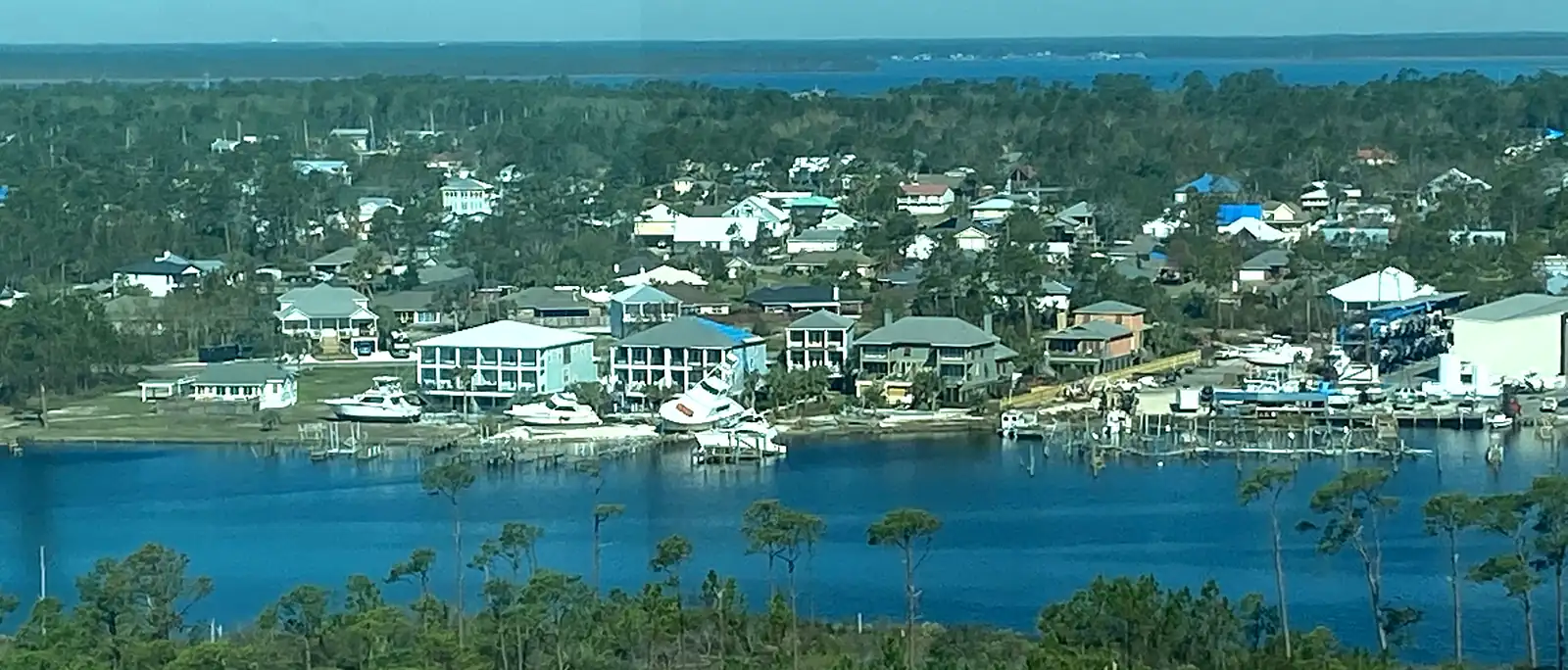
Aerial view of a coastal community after a hurricane, with blue tarps on damaged roofs
Damage assessment: an aerial view of a coastal community after a hurricane.
Hail dents across a metal shingle roof photographed during a property inspection
Field inspection: hail impact marks across a metal shingle roof.
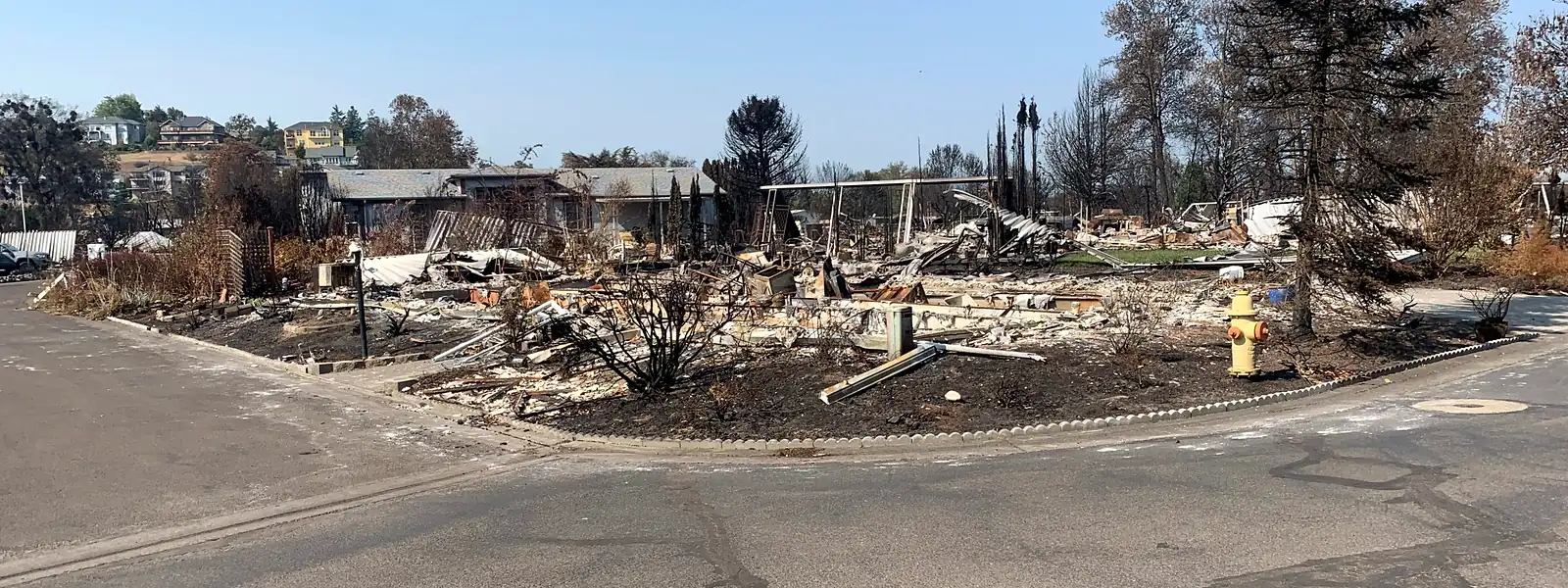
Neighborhood of homes destroyed by wildfire, viewed from the street
Damage assessment: a neighborhood after a wildfire.

One firm, every region

Disaster recovery does not stop at a regional boundary, and neither does the work. The same damage assessment discipline, insurance reconciliation and planning standards apply whether the client is a tribal nation in the Pacific Northwest, a county on the Gulf Coast or a carrier with a hail portfolio in the upper Midwest.

Adjusting assignments are staffed through a Texas designated home state license with nonresident licenses in any state that reciprocates with Texas, and through an adjuster network that includes an adjuster licensed in every state that licenses independent adjusters. Expert witness, appraisal and umpire work does not require an adjuster license and is available in every state.

What the firm delivers in every region

  • Tribal and local hazard mitigation plans and five year updates under 44 CFR 201.7 and 201.6
  • Emergency operations plans, comprehensive emergency management plans and tribal emergency management codes
  • FEMA Public Assistance support: damage description, project worksheet review, appeals, closeout and audit support
  • Stafford Act Section 312 insurance reconciliation on declared events
  • Disaster damage assessment, joint PDA preparation and substantial damage estimates
  • Catastrophe and large loss claims adjusting, NFIP flood, claim review and surge staffing
  • Insurance expert witness, party-appointed appraisal and neutral umpire service
Coverage at a glance
States servedAll 50
FEMA regions1 through 10
Home state licensureTexas, designated
Other statesReciprocal with TX, nationwide
Expert and umpire workEvery state
Planning deliveryOn site or remote
Region by region

The ten FEMA regions

Each region links to the state pages for the services available there.

FEMA Region 1

Region I · Regional office in Boston, Massachusetts

States served: Connecticut, Maine, Massachusetts, New Hampshire, Rhode Island, Vermont.

Common hazards: Nor'easters and coastal storms, hurricanes and tropical storms, riverine and flash flooding, and severe winter storms and ice.

Where the firm helps: Older housing stock and dense coastal development make scope, code upgrade and matching questions common on property claims. Region 1 guide.

FEMA Region 2

Region II · Regional office in New York, New York

States served: New Jersey, New York, plus Puerto Rico and U.S. Virgin Islands.

Common hazards: Hurricanes and coastal storm surge, nor'easters, riverine and urban flash flooding, and winter storms. Puerto Rico and the U.S. Virgin Islands add hurricane and earthquake exposure.

Where the firm helps: High-value coastal and high-rise property and heavy NFIP participation put flood and wind allocation at the center of many disputes. Region 2 guide.

FEMA Region 3

Region III · Regional office in Philadelphia, Pennsylvania

States served: Delaware, Maryland, Pennsylvania, Virginia, West Virginia.

Common hazards: Tropical storm remnants and flash flooding, riverine flooding in Appalachian valleys, coastal storms on the Chesapeake and Atlantic shore, and winter storms.

Where the firm helps: Flash flood events in narrow valleys often leave public facilities and older buildings with mixed insurance and Public Assistance funding. Region 3 guide.

FEMA Region 4

Region IV · Regional office in Atlanta, Georgia

States served: Alabama, Florida, Georgia, Kentucky, Mississippi, North Carolina, South Carolina, Tennessee.

Common hazards: Hurricanes and storm surge, tornadoes, inland and flash flooding, severe storms, and wildfire.

Where the firm helps: The region carries a large share of the country's hurricane exposure, so wind versus water allocation, appraisal and catastrophe staffing are recurring needs. Region 4 guide.

FEMA Region 5

Region V · Regional office in Chicago, Illinois

States served: Illinois, Indiana, Michigan, Minnesota, Ohio, Wisconsin.

Common hazards: Severe storms, tornadoes, derechos and hail, riverine flooding, Great Lakes shoreline flooding and erosion, and winter storms.

Where the firm helps: Hail and wind losses on commercial roofs and large residential portfolios drive much of the appraisal and claim review work here. Region 5 guide.

FEMA Region 6

Region VI · Regional office in Denton, Texas

States served: Arkansas, Louisiana, New Mexico, Oklahoma, Texas.

Common hazards: Hurricanes and storm surge on the Gulf Coast, tornadoes, hail and straight line wind, flash flooding, wildfire, and winter storms.

Where the firm helps: Gulf Coast hurricanes and inland hail produce some of the highest claim volumes in the country, along with many tribal and local mitigation plans. Region 6 guide.

FEMA Region 7

Region VII · Regional office in Kansas City, Missouri

States served: Iowa, Kansas, Missouri, Nebraska.

Common hazards: Tornadoes, hail and derechos, Missouri and Mississippi river flooding, flash flooding, and winter storms.

Where the firm helps: Counties, cities and tribal governments here are often insured through public entity pools, which puts Section 312 reconciliation in play on most Public Assistance projects. Region 7 guide with 2026 declarations.

FEMA Region 8

Region VIII · Regional office in Denver, Colorado

States served: Colorado, Montana, North Dakota, South Dakota, Utah, Wyoming.

Common hazards: Wildfire in the wildland urban interface, hail, flash flooding and debris flows, spring snowmelt flooding, and blizzards.

Where the firm helps: Large tribal land bases and rural counties with small recovery staffs make mitigation planning and Public Assistance support a frequent need. Region 8 guide.

FEMA Region 9

Region IX · Regional office in Oakland, California

States served: Arizona, California, Hawaii, Nevada, plus Pacific territories.

Common hazards: Wildfire, earthquake, atmospheric river flooding and debris flows, extreme heat, and tsunami and tropical cyclone exposure in Hawaii and the Pacific.

Where the firm helps: Total loss wildfire claims raise valuation, code upgrade and contents disputes, and many tribal nations in the region manage wildfire and flood risk together. Region 9 guide.

FEMA Region 10

Region X · Regional office in Bothell, Washington

States served: Alaska, Idaho, Oregon, Washington.

Common hazards: Wildfire, atmospheric river and riverine flooding, landslides, earthquake and tsunami exposure along the Cascadia Subduction Zone, volcanic hazards, and winter storms. Alaska adds coastal erosion and permafrost thaw.

Where the firm helps: Region 10 is home to more federally recognized tribes than any other FEMA region, most of them Alaska Native villages, so tribal emergency management codes, plans and mitigation work are a large part of the need. Region 10 guide.

Okla Risk Advisors is an independent firm and is not affiliated with FEMA. Regional office locations are listed for reference.

Tribal nations in every region

There are federally recognized tribes in all ten FEMA regions, from Alaska Native villages and Pacific Northwest tribes to the nations of the Southwest, the Plains, the Great Lakes and the Southeast. A tribal government may request its own major disaster declaration or recover as a subrecipient under a state declaration, and either path runs on the same documentation and insurance discipline.

The firm is owned by an enrolled citizen of the Choctaw Nation of Oklahoma and is available to tribal nations in any region for emergency operations plans and emergency management codes, tribal hazard mitigation plans, disaster recovery and Public Assistance, and Section 312 insurance reconciliation. Tribal data stays under the tribe’s control on every engagement.

Planning, recovery or a claim in your region?

Send the location, the type of work and any deadlines. The right division will respond within two business days.